.webp) h5gameradar.com
h5gameradar.comHow to Build a Sustainable Paradise: A Comprehensive Guide to Mastering Solarpunk Life and Community Mechanics in Loftia
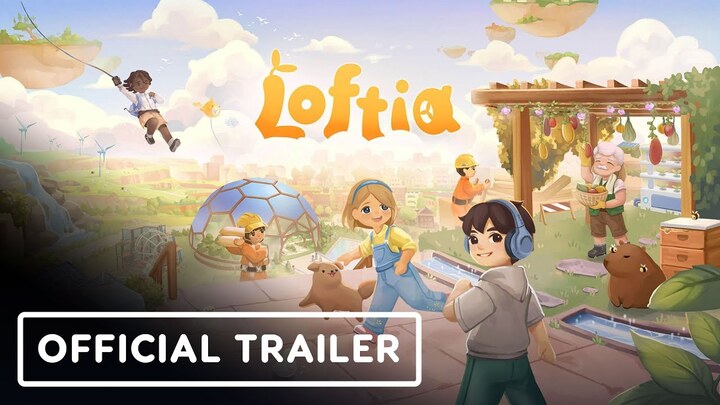
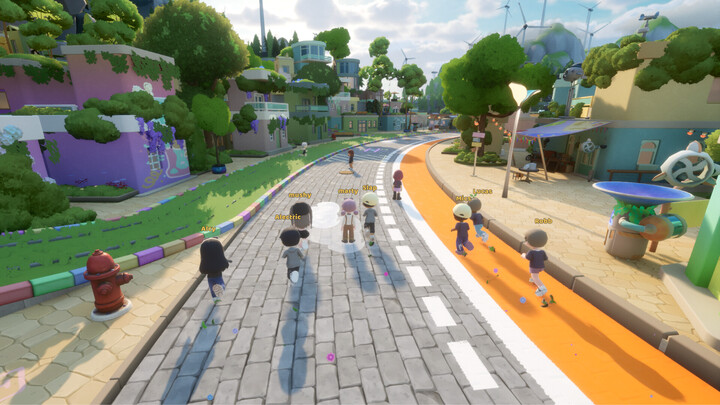
The cozy gaming landscape has witnessed a remarkable evolution, transitioning from traditional farm simulators to interconnected, eco-conscious online spaces. Leading this movement is Loftia, a cozy solarpunk multiplayer online experience developed by Qurious Games. Stepping away from hyper-capitalistic farming tropes where crops are harvested purely to accumulate gold, Loftia challenges players to construct a thriving, floating utopian world grounded in renewable energy, modern sustainable agricultural practices, and collaborative community building.
Navigating this bright, sky-bound world requires a shift in how players approach resource gathering, energy distribution, and social engagement. Whether you are transitioning from single-player cozy titles or stepping into a multiplayer life-simulator for the first time, learning how to operate sustainable farming systems, generate clean energy, and coordinate neighborhood projects is vital. This comprehensive step-by-step operational guide provides actionable strategies to help you establish your personal floating island, master renewable infrastructure, and become an influential contributor to Loftia’s evolving eco-society.
1. How to Establish Your Floating Island Foundation and Initial Housing
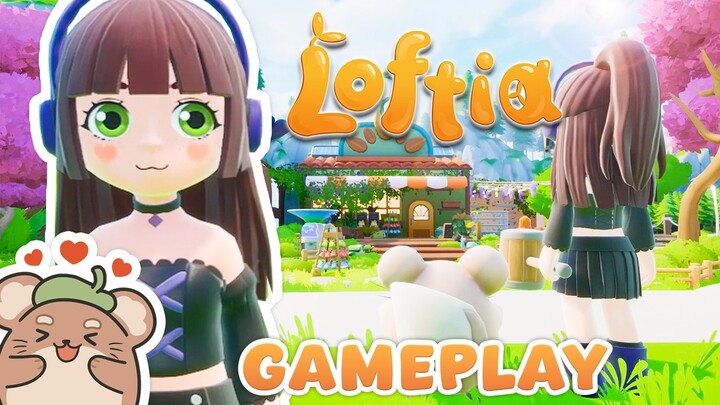
Your journey in Loftia begins high above the clouds on your personal floating island. This personal instance acts as your central sanctuary, creative canvas, and agricultural hub. The first crucial step is converting this overgrown sky-plot into a functional living space. Upon arrival, prioritize clearing initial physical debris—such as old scrap metal, overgrown weeds, and discarded plastic—to establish clear building grids.
Rather than discarding gathered junk, transport all cleared items directly to your initial crafting station or local recycling bins. In Loftia, scrap materials are crucial resources that form the base components for early-game structural framing, furniture crafting, and basic energy conduits. Setting up your primary home module early provides immediate access to personal storage, resting mechanics, and your central utility management board.
2. How to Master Hydroponic, Aquaponics, and Vertical Farming Systems
Traditional soil tilling is only one part of the agricultural ecosystem in Loftia; the game puts heavy emphasis on modern, water-efficient, and space-saving farming technologies like hydroponics, aquaponics, and vertical trellis networks. Transitioning to these advanced systems allows you to maximize crop yield per square meter while significantly cutting down on raw water consumption.
To set up your first hydroponic bay, build a closed-loop water channel powered by a basic solar or wind pump. When advancing to aquaponics, integrate fish tanks directly beneath your crop beds. The biological waste produced by aquatic pets acts as an organic nutrient fertilizer for your plants, while the plant roots filter and clean the water circulating back to the fish, creating a self-sustaining agricultural loop.
Core Agricultural Rules for Maximum Efficiency
- Vertical Trellis Stacking: Plant climbing species like beans, tomatoes, and passionfruit along vertical trellis frames to save ground space for ground-based hydroponic tubs.
- Nutrient Monitoring: Frequently check your water circulation pumps to ensure liquid nutrients are flowing evenly across all connected vertical modules.
- Crop Rotation: Alternate between heavy-feeder crops and soil-restoring legumes on ground plots to preserve natural soil vitality.
3. How to Construct and Balance a Clean Renewable Energy Grid
Every automated farm bed, craft station, and household appliance in Loftia requires clean energy to function. Unlike conventional simulators that rely on infinite energy sources, Loftia features a dynamic weather-and-time energy grid powered by solar panels, wind turbines, and rainwater generators. Balancing your energy production against daily weather conditions is necessary to prevent grid brownouts.
Constructing a balanced grid requires diversifying your power generation sources. Relying entirely on solar energy leaves your systems unpowered during nighttime hours or overcast weather, while relying solely on wind turbines can lead to energy deficits during calm spells. Install battery storage banks at central utility junctions to store excess power generated during peak weather hours for later use.
Steps for Grid Setup and Power Routing
- Assess Environmental Factors: Place solar arrays on unshaded, elevated roof surfaces and install wind turbines along open coastal cliffs or high-altitude ridges.
- Connect Storage Batteries: Link power generators directly to lithium-free, eco-friendly battery banks to prevent power surges and store reserve energy.
- Route Power Conduits: Run energy cables from storage units directly to high-draw machinery, such as aquaponics filtration pumps and high-tier crafting benches.
4. How to Utilize Honesty Boxes and Community Recycling Networks
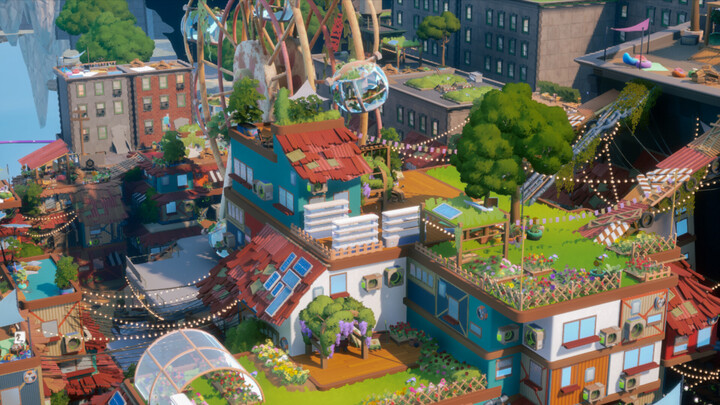
Waste management is a core mechanic within Loftia’s solarpunk economy. Throwing away extra items or duplicate materials into traditional garbage dumps yields no benefits; instead, players are encouraged to utilize Honesty Boxes and automated mobile recycling bots that roam the world.
Depositing unwanted items, surplus seeds, or extra building components into local Honesty Boxes makes those materials instantly available to neighboring players who need them. In return, participating in this pay-it-forward system earns you Community Eco-Tokens and boosts your neighborhood's overall sustainability rating. Additionally, recycling raw plastic and glass waste at municipal Tech Hub centers unlocks specialized crafting blueprints for sustainable decorations and advanced tools.
5. How to Explore Distant Biomes and Scavenge Abandoned Structures
While your floating island serves as home base, high-tier crafting materials—such as rare electrical components, specialized plant seeds, and structural alloys—must be scavenged from external locations. Venture beyond the city hub to explore abandoned industrial factories, forgotten sky-ruins, and wild floating biomes.
"In Loftia, exploration is not about conquering wild lands, but about recovering forgotten human artifacts and restoring ecological balance to damaged environments."
When embarking on scavenging expeditions, bring a versatile set of tools, including a deconstruction scanner, a grappling hook, and portable repair kits. Focus your efforts on extracting reusable metals from old machinery and collecting wild plant cuttings for your home greenhouse. Be mindful of inventory weight and bring a small, trained pet companion equipped with saddlebags to extend your expedition times.
6. How to Form and Manage Shared Neighborhoods with Other Players
Social interaction in Loftia goes far beyond simple text chat; the game features a seamless neighborhood system that allows players to physically link their floating islands together. Linking islands creates a shared community space where friends and neighbors can share farming plots, utility grids, and social zones.
To start a neighborhood, open your island management panel and issue an invitation code to trusted players or club members. Once linked, establish clear shared zones for community farms, shared battery banks, and public study cafes. Defining permission levels for shared storage units ensures that essential building components and high-value seeds are protected while remaining accessible for group projects.
Neighborhood Management Best Practices
- Establish Centralized Storage: Place shared material chests near island bridges for easy drop-offs during group crafting sessions.
- Pool Energy Resources: Connect individual island power grids into a unified neighborhood micro-grid to balance power loads across all members.
- Designate Role Specialists: Assign specific neighborhood tasks—such as primary crop manager, energy grid engineer, or chief decorator—based on player interests.
7. How to Contribute to Server-Wide Solarpunk Community Projects
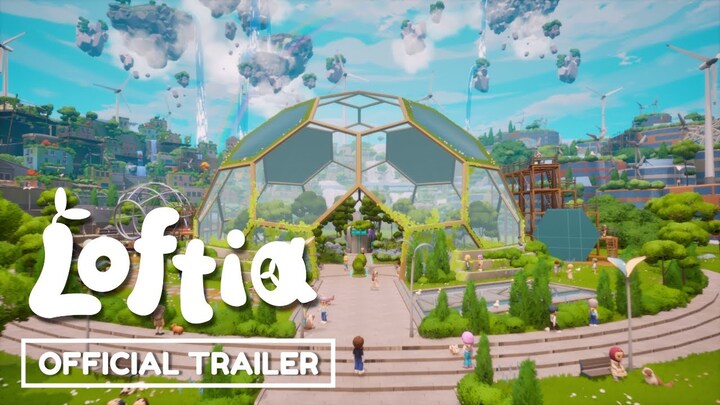
The dynamic, evolving narrative of Loftia is driven by large-scale Community Projects. These server-wide events require collective action from the entire player base to repair municipal structures, construct massive wind-hydro hubs, or restore degraded ecological zones like the Hanging Gardens Network.
Community Project Workflow
- Visit the World Progress Hub: Check the central city board in the Tech Hub district to review active global construction goals and material quotas.
- Donate Resources: Deposit requested items—such as refined copper wire, organic compost, or solar cells—into global project hoppers.
- Complete Group Quests: Team up with other players to execute specialized puzzle quests, clear structural debris, or plant community orchards.
Successfully completing a Community Project permanently alters the world map for everyone on the server, unlocking new public districts, unlocking high-tier blueprint shops, and expanding access to new floating sky-islands.
8. How to Adopt, Raise, and Utilize Companion Animals
Animals play an essential role in both the emotional and functional loops of Loftia. From domestic cats and dogs to exotic capybaras, ducks, and turtles, adopting and caring for pets provides significant gameplay benefits beyond simple companionship.
To adopt a companion, visit the Animal Sanctuary situated within the Hanging Gardens district. Before taking an animal home, build an appropriate habitat module on your island equipped with clean water, comfortable bedding, and play fixtures. Regularly grooming, feeding, and taking your pets on town walks builds their trust meter, unlocking active bonuses such as automated forage detection, increased inventory capacity, and passive morale buffs for your crops.
9. How to Navigate the Tech Hub and Craft Advanced Solarpunk Blueprints
Progression in Loftia is deeply tied to the Tech Hub, the technological heart of the city where sustainable research takes place. Here, players spend research data, eco-credits, and specialized crafting materials to unlock advanced blueprinted machinery and sustainable housing modules.
Prioritize researching energy efficiency upgrades first, such as high-yield photovoltaic cells, smart power meters, and automated irrigation timers. Once your basic farm infrastructure is automated, transition your research focus toward cosmetic blueprints, custom housing layouts, and social furniture—such as co-working study tables and cafe espresso machines—to furnish your personal home and neighborhood gathering hubs.
10. How to Optimize Your Daily Routine for Maximum Eco-Impact
To maintain steady progression without feeling overwhelmed, establishing a balanced daily routine is key. Because Loftia is designed as a relaxing, non-punitive cozy experience, there are no harsh penalties for missing daily cycles. However, following an optimized workflow ensures your home island operates efficiently while maximizing your community contributions.
Daily Solarpunk Checklist
- Morning Cycle: Inspect battery storage levels, harvest mature aquaponics crops, and restock fish feed tubs.
- Midday Cycle: Visit the Free Folk District to drop off excess items in Honesty Boxes, check for new blueprints at the Tech Hub, and complete daily NPC quests.
- Evening Cycle: Join neighborhood friends for co-working study sessions at the local cafe, contribute resources to active Community Projects, and set up overnight battery charging schedules.
Conclusion: Living the Solarpunk Dream in Loftia
Mastering the mechanics of Loftia offers a refreshing, meaningful alternative to traditional cozy farming simulators. By replacing resource depletion and endless selling loops with renewable energy grids, sustainable aquaponics, and collaborative community building, the game crafts an inspiring vision of a harmonious, eco-conscious future. Success in this sky-bound world is measured not by individual wealth, but by the strength of your neighborhood bonds and the positive environmental impact you create together.
As you expand your floating sanctuary, experiment with advanced farming techniques, and collaborate on massive server projects, remember that every solar panel placed and every recycled scrap contributes to a larger collective vision. Embrace the relaxing pace, build lasting friendships, and take pride in cultivating a sustainable paradise in the clouds.
Master sustainable farming, renewable energy grids, and community building to establish a thriving eco-friendly floating island in the solarpunk MMO Loftia.