.webp) h5gameradar.com
h5gameradar.comHow to Play EA Sports FC 27 and Build a Better Football Experience
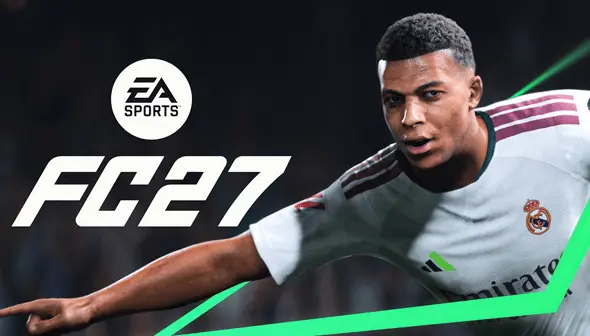
EA Sports FC 27 is a football game designed around the excitement of competitive matches team building player development and tactical decision making Whether you are starting your first career or returning after playing previous EA Sports FC games learning how to approach the game in the right order can make a major difference
A strong experience in EA Sports FC 27 does not come only from having the best players A successful player needs to understand controls tactics formations passing movement defending finishing and squad management The fastest way to improve is to create a simple routine that gradually develops each important skill instead of trying to master everything at once
This guide explains how to get started with EA Sports FC 27 how to prepare your team how to improve your gameplay and how to develop better habits over time The sections are arranged from the beginning of your experience toward more advanced gameplay so you can follow the guide step by step
1. How to Start EA Sports FC 27 and Learn the Basic Controls
When you first start EA Sports FC 27 the best approach is to avoid immediately jumping into difficult competitive matches Spend some time becoming comfortable with movement passing shooting sprinting defending and switching players A few minutes of practice can prevent many mistakes later because football games depend heavily on timing and positioning
Begin with simple actions such as moving your player across the pitch passing to a nearby teammate and controlling the ball under pressure Once these actions feel natural begin practicing shooting from different distances and angles You should also learn how to control the speed of your player because constantly sprinting can make it harder to maintain possession
A useful beginner routine is to practice the following actions
Move without sprinting
Pass with your preferred passing controls
Receive and protect the ball
Shoot from inside and outside the penalty area
Switch between defenders
Use sprint only when necessary
Practice defending without immediately attempting a tackle
The goal during this first stage is not to score as many goals as possible The goal is to understand how your players respond to your commands Once basic movement becomes automatic you can concentrate more on tactics and decision making during real matches
2. How to Choose a Team and Understand Player Roles
After learning the controls the next step is choosing a team that matches your preferred style of football A team with fast attackers may suit players who enjoy counter attacks while a team with technically strong midfielders may be better for players who prefer possession football
Do not judge a team only by its highest rated players Look at the entire squad and consider whether the available players fit your preferred formation For example a formation with several wide positions requires players who can operate effectively on the wings while a narrow formation may place greater importance on central midfielders
You should also learn the basic roles within your team
Goalkeeper protects the goal and starts attacks
Defenders provide defensive stability and stop attacking runs
Midfielders connect defense and attack
Wingers create width and provide attacking options
Strikers focus on creating and finishing scoring opportunities
Understanding these roles makes it easier to identify weaknesses If your team constantly loses possession in midfield the problem may not be your attackers You may need stronger midfield positioning or safer passing decisions
3. How to Build the Right Formation Before Playing Matches

Once you understand your players you can create a formation that supports your style A formation should not simply look balanced on paper It should provide enough defensive protection while giving you reliable options when attacking
If you are new to the game a balanced formation can be easier to manage because it gives you several passing options across the pitch A formation with multiple midfielders can also help beginners maintain possession and reduce pressure on the defensive line
Before starting serious matches consider these questions
Where do you want your main attacking threat to come from
Do you prefer central attacks or wide attacks
How many midfielders do you need
Does your defense have enough support
Can your fastest players receive space behind the defense
Your formation should also change depending on the situation A setup that works when you are trying to score may not be suitable when you are protecting a narrow lead Learning to adjust your formation during a match is one of the first steps toward becoming a more complete player
4. How to Improve Passing and Possession
Passing is one of the most important skills in EA Sports FC 27 A player who can maintain possession can control the tempo of a match and reduce the number of dangerous opportunities created by the opponent
One common beginner mistake is passing too quickly without checking the position of teammates Look around the pitch before making important passes A short safe pass is often better than attempting a difficult forward pass that could immediately give the opponent possession
Try to create triangles between your players When one player has the ball you should ideally have at least two passing options This makes it easier to escape pressure and continue the attack
Good passing habits include
Avoid unnecessary risky passes
Use short passes to control possession
Move after making a pass
Look for open teammates before passing
Change the direction of attacks
Use wide areas when the center becomes crowded
You should also learn when to slow the game down If there is no clear attacking opportunity keeping possession can be more valuable than forcing a shot or forward pass Patience often creates better opportunities because defenders eventually move away from their positions
5. How to Create Better Attacking Opportunities
After becoming comfortable with passing you can begin focusing on attacking movement A successful attack is usually created before the final shot Good movement can create space for a teammate and force defenders into difficult decisions
Do not focus only on the player controlling the ball Watch the movement of your other attackers Look for runs behind defenders and open spaces between defensive and midfield lines
You can improve attacking play by combining several simple ideas
Pass and move immediately
Use width to stretch the defense
Change the direction of attacks
Look for runners behind defenders
Avoid forcing the ball into crowded areas
Use midfielders to support attacks
When you approach the penalty area slow down slightly and evaluate the situation Instead of shooting immediately look for a teammate in a better position Sometimes the best scoring opportunity comes from one additional pass
Another useful habit is changing your attacking rhythm A predictable attack is easier to defend Mix quick combinations with slower possession This forces the opponent to react instead of simply waiting for the same attacking pattern
6. How to Finish More Chances and Score Goals
Creating chances is only half of attacking football You also need to become reliable when finishing A good scoring opportunity can disappear quickly if you rush the shot or choose the wrong direction
Start by practicing shots from different positions Learn how much power is appropriate for close range medium range and long range attempts Avoid using maximum power for every shot because accuracy can become more important than power depending on the situation
When entering the penalty area consider the goalkeeper position before shooting If the goalkeeper has moved toward one side another area of the goal may become available However you should not rely on a single finishing technique
Good finishing requires patience
Wait for the right shooting angle
Avoid shooting through several defenders
Watch the goalkeeper position
Use controlled finishing when appropriate
Practice one on one situations
Learn which players are comfortable finishing with different situations
You should also understand that not every attack needs to end with a shot If the angle is poor recycle the ball and create another opportunity This approach reduces wasted possessions and can lead to much clearer chances
7. How to Defend Without Losing Your Shape

Defending is often more difficult than attacking for new players because mistakes can immediately create dangerous chances The biggest defensive improvement usually comes from learning not to chase the ball constantly
Instead of controlling a defender and running directly toward the opponent try to maintain a good position between the attacker and your goal This makes it harder for the opponent to reach dangerous areas
When defending focus on several principles
Protect the central areas
Do not pull defenders out unnecessarily
Track dangerous attacking runs
Use midfielders to apply pressure
Switch players when the current defender is no longer useful
Attempt tackles only when the timing is appropriate
A common mistake is controlling a central defender and moving them too far forward to chase the ball If the tackle fails the opponent may have a clear path toward goal It can be safer to use a midfielder for pressure while keeping the defensive line organized
Good defending is often about patience Your objective is not always to win the ball immediately Your objective is to prevent the opponent from creating a good opportunity
8. How to Manage Stamina Tactics and Match Tempo
As you become more comfortable with the basics you should begin paying attention to stamina and match tempo Constantly sprinting pressing and attacking can make your players less effective later in the match
Try to control the rhythm of the game Instead of attacking at maximum speed throughout the entire match use different phases You can build possession patiently and then increase the tempo when space becomes available
Tactical adjustments can also help when the match situation changes If you are behind you may need to take greater attacking risks If you are leading you may want to prioritize possession and defensive stability
Think about the match in stages
Early match
Study the opponent and avoid unnecessary risks
Middle match
Identify weaknesses and adjust your approach
Final stages
Increase pressure if you need a goal
Closing stages
Protect the result if you are ahead
This approach makes your gameplay more deliberate You are no longer simply reacting to every situation You are managing the match based on the score time and performance
9. How to Develop Your Squad and Improve Players
Once your gameplay becomes more consistent you can focus on long term squad development Player quality matters but squad balance is equally important A team with several excellent attackers can still struggle if the midfield and defense are weak
When improving your squad consider the areas that repeatedly cause problems If you concede goals because your defense cannot handle fast attacks you may need more pace or defensive awareness If your attackers rarely receive good opportunities you may need better midfield support
Player development should have a clear purpose Instead of upgrading every player equally concentrate on roles that fit your tactical system A player should improve in areas that directly support their responsibilities
For example an attacking player may benefit from improvements related to finishing movement and ball control A midfielder may require passing stamina and defensive ability A defender may benefit more from positioning strength speed and defensive attributes
Squad development should also consider depth A long season can create situations where you need reliable substitutes Having useful alternatives for important positions can make your team more flexible and reduce the impact of fatigue or poor form
10. How to Create a Long Term Routine and Become a Better Player
The final stage is developing a consistent routine Improvement in EA Sports FC 27 comes from repeated practice and reviewing mistakes rather than simply playing a large number of matches
After every difficult match think about what actually went wrong If you conceded several goals ask whether the problem was poor defending bad positioning or losing possession in dangerous areas If you created many chances but scored very few goals focus on finishing rather than changing your entire tactical system
A simple long term routine can include the following
Practice basic controls regularly
Play matches at a comfortable difficulty
Focus on one skill at a time
Review major mistakes after matches
Experiment with formations gradually
Improve weak positions in your squad
Learn from successful attacking patterns
Learn from defensive mistakes
Avoid changing everything after one bad match
The most important improvement is consistency You do not need to master every advanced mechanic immediately A player who understands positioning passing and decision making can often perform better than someone who knows many advanced techniques but makes poor tactical decisions
As your experience grows you can experiment with more aggressive tactics advanced formations and different styles of play You can also develop separate approaches for different opponents This creates a more flexible football strategy and allows you to react to different match situations
Conclusion
Learning how to play EA Sports FC 27 effectively is a gradual process The best starting point is understanding the basic controls and then building your knowledge step by step From there you can choose a suitable team create a balanced formation improve passing develop attacking movement and become more accurate when finishing
Defensive positioning is equally important because strong attacking play cannot compensate for constant defensive mistakes Managing stamina match tempo and tactical changes will help you control games more effectively while squad development gives you a stronger foundation for longer term progress
The most important lesson is to focus on decision making rather than simply trying to play faster Every pass every run every tackle and every shot should have a purpose With regular practice and careful analysis of your mistakes you can gradually develop better football instincts and enjoy a more consistent EA Sports FC 27 experience
EA Sports FC 27 becomes much easier to understand when you learn each part in order Start with the controls build a balanced team practice possession improve attacking and defending then develop your squad and tactical awareness Over time these habits can turn basic gameplay into a much more controlled and rewarding football experience