.webp) h5gameradar.com
h5gameradar.comHow to Play Mini Soccer – A Complete Beginner’s Guide to Scoring Goals and Mastering the Pitch

Mini Soccer is a fast and accessible arcade soccer game built around simple controls, quick matches, and straightforward football action. Instead of complicated playbooks or large statistical systems, the game focuses on getting onto the pitch, controlling the ball, scoring goals, and reacting to your opponent.
For new players, Mini Soccer is easy to pick up but still leaves room to improve. You can play quick matches against bots, compete through an eight-team tournament, take part in penalty shootouts, or play with friends through local and online multiplayer.
The game also includes player customization and progression. Matches award XP, while leveling up unlocks additional customization options such as patterns and other cosmetic choices.
This guide explains how to play Mini Soccer, from understanding the basic match structure and learning to attack and defend to choosing the right mode, improving your shooting, and playing effectively with friends.
1. Start by Understanding the Basic Gameplay Loop
The first thing to learn in Mini Soccer is the basic rhythm of a match. Unlike management-focused soccer games, you are directly involved in the action and need to react to what is happening on the pitch.
The objective is simple: score more goals than your opponent before the match ends.
The basic Mini Soccer gameplay loop
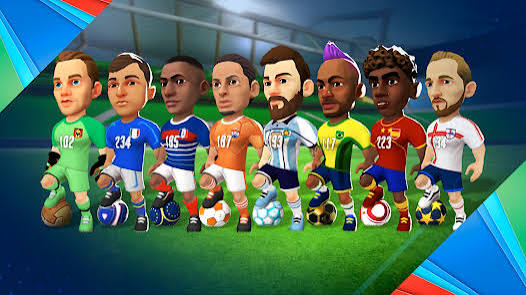
A typical session can be approached in this order:
- Choose a game mode.
- Select your player or team.
- Start the match.
- Move into attacking positions.
- Control the ball and create scoring opportunities.
- Defend when possession changes.
- Take advantage of mistakes from your opponent.
- Score goals and protect your lead.
- Finish the match and collect XP.
- Use progression rewards to customize your player.
The game offers Quick Match, Tournament, Penalty Shootout, and multiplayer options, so you can choose between short practice sessions, structured competition, or playing directly with other people.
Keep the gameplay simple
Mini Soccer is designed to be easy to understand. You do not need to memorize complicated tactical systems before playing your first match.
Instead, concentrate on three fundamentals:
Move → Control → Shoot
Once these actions become comfortable, you can start thinking about positioning, defending, and timing.
2. Learn How to Control Your Player
Movement is the foundation of every action in Mini Soccer.
Before worrying about scoring complicated goals, spend some time learning how quickly your player moves and how much space is available around the ball.
Stay close to the ball
One common beginner mistake is moving too far away from the ball while trying to predict where it will go.
Instead, try to maintain a useful distance so you can react when possession changes.
A simple approach is:
- Move toward the ball when you need possession.
- Slow down when approaching an opponent.
- Avoid running past the ball.
- Keep enough space to change direction.
- Move toward open areas when attacking.
Learn the pace of the game
Mini Soccer is an arcade-style game, so matches can move quickly.
Do not hold the same movement direction constantly.
Small changes in direction can help you react to opponents and create better angles for attacking.
Once movement becomes automatic, you can spend more attention on shooting and positioning.
3. Learn How to Attack and Create Chances
Scoring goals is the main objective, but simply running toward the opponent's goal is not always the best approach.
Good attacking play comes from creating enough space to take a useful shot.
Look for shooting opportunities
Before shooting, consider:
- Where is the goal?
- Where is the goalkeeper or defender?
- Is there enough space?
- Are you approaching from a useful angle?
- Can you shoot immediately or should you reposition first?
A rushed shot can easily give your opponent an opportunity to regain possession.
Use space instead of chasing the ball
When attacking, do not always follow the ball directly.
Sometimes moving into open space can give you a better position for the next pass or shot.
If your opponent is focused on the ball, changing direction can create a gap between you and the defender.
This becomes especially useful when playing against another human because real players may react differently to the same situation.
4. Improve Your Shooting
Shooting is one of the most important skills to practice in Mini Soccer.
The basic objective is simple, but timing and positioning can make the difference between a goal and a missed opportunity.
Choose your moment
Instead of shooting as soon as you gain possession, try to create a better angle when possible.
A useful sequence is:
Control → Position → Aim → Shoot
This does not mean you should always wait.
If you have a clear opening, taking the shot immediately can be better than giving the defender time to recover.
Practice penalty shooting
Mini Soccer includes a dedicated Penalty Shootout mode where you choose your corner and then attempt to stop the opponent's shot.
Penalty Shootout is useful for practicing accuracy and goalkeeper reactions without having to play through a full match.
Use it to become more comfortable with:
- Choosing a direction.
- Timing your shot.
- Reading your opponent.
- Reacting as a goalkeeper.
5. Learn How to Defend
Attacking gets the attention, but defending is just as important.
When you lose possession, your first goal should be preventing an easy scoring opportunity.
Stay between the attacker and the goal
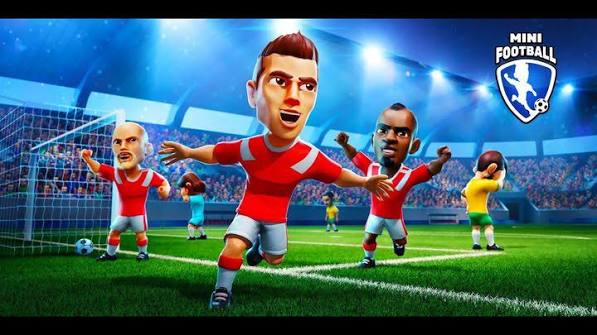
A useful defensive principle is to protect the most dangerous path toward your goal.
Instead of immediately chasing the opponent, consider:
- Where the attacker is moving.
- Where the goal is.
- Whether they have a clear shooting angle.
- Whether you can force them away from the center.
If you move too aggressively, an opponent can sometimes change direction and run into the space you just left.
Do not panic after losing possession
Losing the ball is normal.
The important part is how quickly you recover.
Immediately look for the most dangerous attacking player and try to limit their options.
A calm defensive response can turn a dangerous attack into another possession opportunity.
6. Choose the Right Game Mode
Mini Soccer provides several ways to play, and each mode serves a slightly different purpose.
Quick Match
Quick Match lets you jump directly into a match against bots and choose between four difficulty levels.
This is a useful place to start because you can gradually increase the challenge.
Begin with a comfortable difficulty and focus on:
- Movement.
- Shooting.
- Defending.
- Understanding the pace of the match.
Tournament
Tournament mode takes you through an eight-team cup consisting of quarterfinal, semifinal, and final matches.
This mode is useful when you want a more structured challenge.
Because every match affects your progression through the tournament, avoiding unnecessary mistakes becomes more important.
Penalty Shootout
Penalty Shootout focuses entirely on penalties.
It is a short way to practice shooting and goalkeeping without playing a complete match.
Multiplayer
Mini Soccer supports couch multiplayer as well as online 1v1 and 2v2 matches. You can play locally on one screen or invite a Steam friend to play.
Multiplayer can require a different approach because human opponents are less predictable than bots.
7. Learn How to Play Against Human Opponents
Playing against another person can feel very different from playing against AI.
A human opponent can notice your habits and change their approach.
Avoid repeating the same move
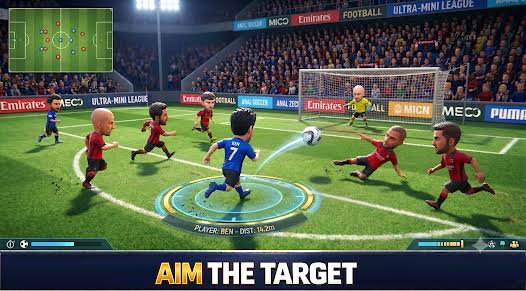
If you always attack from the same direction, an opponent can start anticipating you.
Try to vary:
- Your attacking direction.
- Your shooting timing.
- Your movement.
- Your defensive positioning.
- The moments when you challenge for possession.
You do not need to make every move unpredictable.
Simply avoiding the same pattern repeatedly can make your attacks harder to read.
Watch your opponent's habits
During the first few minutes, pay attention to how they play.
Ask yourself:
- Do they attack aggressively?
- Do they defend close to their goal?
- Do they shoot quickly?
- Do they move toward the same side repeatedly?
Once you identify a pattern, adjust your positioning accordingly.
8. Use Player Progression and Customization
Mini Soccer gives XP after matches, allowing players to level up and unlock additional customization options. These include player appearance elements such as shirt patterns and other cosmetic choices.
Treat progression as a long-term system
You do not need to focus entirely on customization during your first matches.
Instead:
- Play regularly.
- Earn XP naturally.
- Unlock new options as you level up.
- Adjust your player's appearance when new items become available.
The game also allows customization of elements such as shirts, shorts, boots, hair, skin colors, shirt patterns, and jersey numbers.
Make your player easy to recognize
When playing with friends, customization can also make it easier to distinguish players on the pitch.
Choosing a recognizable appearance can be useful when several people are playing together.
9. Stay Calm When the Match Gets Close
The final moments of a match can be more difficult than the opening minutes.
When the score is close, players often become more aggressive and make unnecessary mistakes.
Protect a lead intelligently
If you are ahead, you do not always need to attack at maximum speed.
Consider:
- Protecting dangerous areas.
- Avoiding unnecessary challenges.
- Waiting for a safe attacking opportunity.
- Keeping your player positioned between the opponent and goal.
At the same time, do not become completely passive.
A single mistake can give the opponent a chance to equalize.
If you are behind
When losing, do not immediately abandon your defensive position.
Instead, increase pressure gradually.
Look for opportunities to win possession and attack quickly, especially when your opponent leaves open space.
A comeback becomes easier when you remain organized rather than chasing the ball everywhere.
10. Build an Efficient Mini Soccer Strategy
Once the basic controls become comfortable, the next step is creating a repeatable match routine.
The goal is not to use one perfect tactic every time. Instead, develop a simple process that helps you react to different opponents.
Create a repeatable match routine
A useful routine can look like this:
- Start by observing the opponent.
- Keep control of your movement.
- Look for open attacking space.
- Create a clear shooting opportunity.
- Shoot when the angle is useful.
- Immediately switch your attention to defending after losing possession.
- Protect dangerous areas when ahead.
- Increase pressure when behind.
- Change your approach if the opponent starts reading your patterns.
This structure gives you something to fall back on even when the match becomes chaotic.
Turn mistakes into improvements
If you miss a shot, ask why.
Maybe the angle was poor.
Maybe you shot too early.
Maybe the opponent was already blocking the path.
If you concede a goal, examine the situation rather than simply blaming luck.
Every match can help you identify one small part of your gameplay to improve.

Conclusion
Learning how to play Mini Soccer is ultimately about mastering simple soccer fundamentals in a fast arcade environment. The game keeps the controls accessible while giving players several ways to compete, from Quick Match and Tournament to penalties and multiplayer.
For beginners, the best approach is to learn movement first, practice shooting, understand basic defensive positioning, and gradually increase the difficulty. Once you become comfortable against bots, multiplayer provides a different challenge because human opponents can adapt to your habits.
The most important thing to remember is that Mini Soccer does not require complicated tactics to be enjoyable. Control the ball, create space, choose your moment, defend intelligently, and adapt to the opponent. With those fundamentals in place, every match becomes easier to understand and more enjoyable to play.